
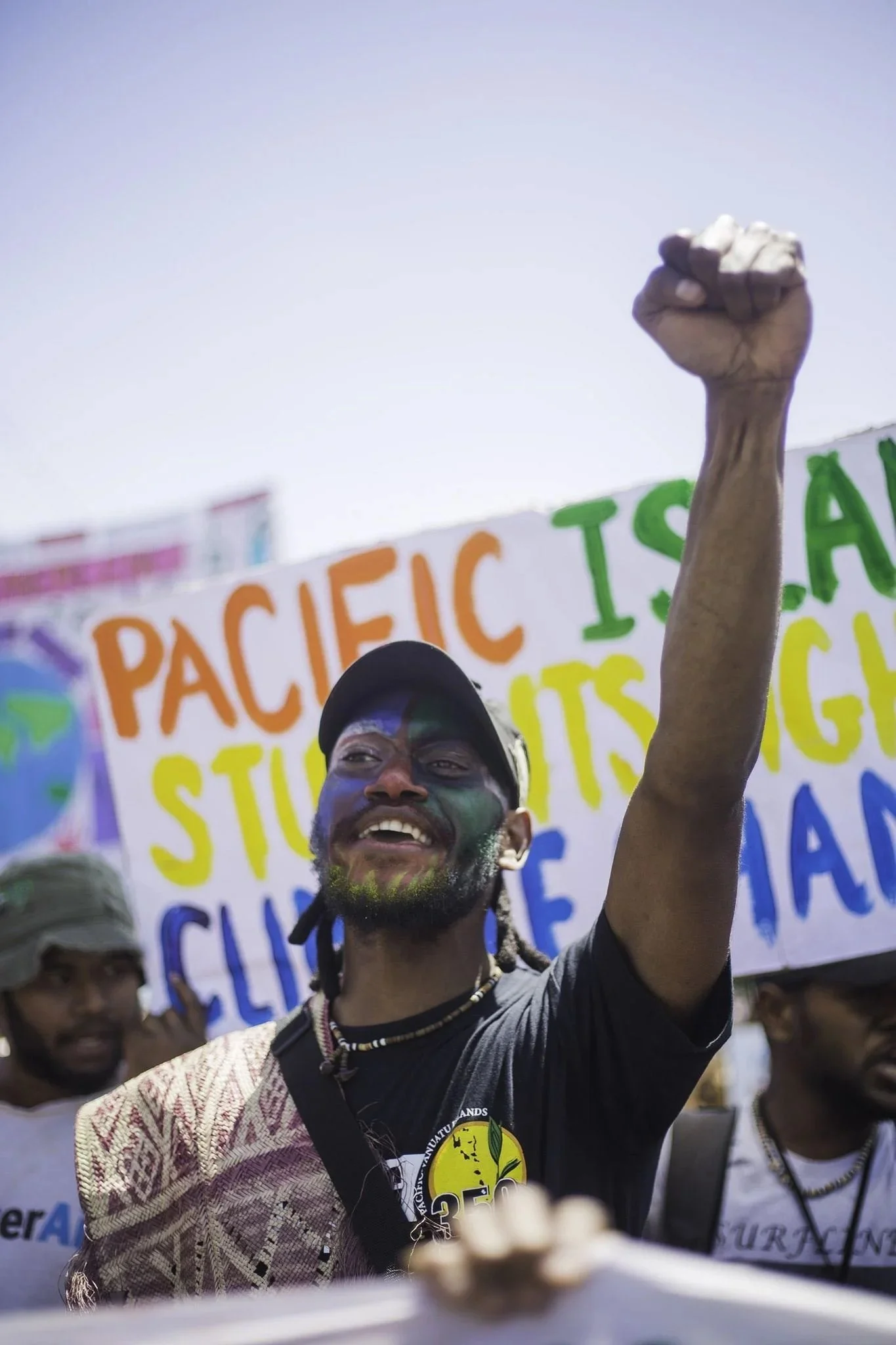
From the International Court of Justice to the United Nations General Assembly
In a time where climate change is worsening and causing further strain to frontline communities, the United Nations General Assembly (UNGA) Resolution on Climate Accountability opens doors for greater climate action to protect people from climate harm. The vote date is set for 20 May, 2026, but before this moment could even occur, let us rewind the clock and appreciate the journey that got us here in the first place.
THE BEGINNING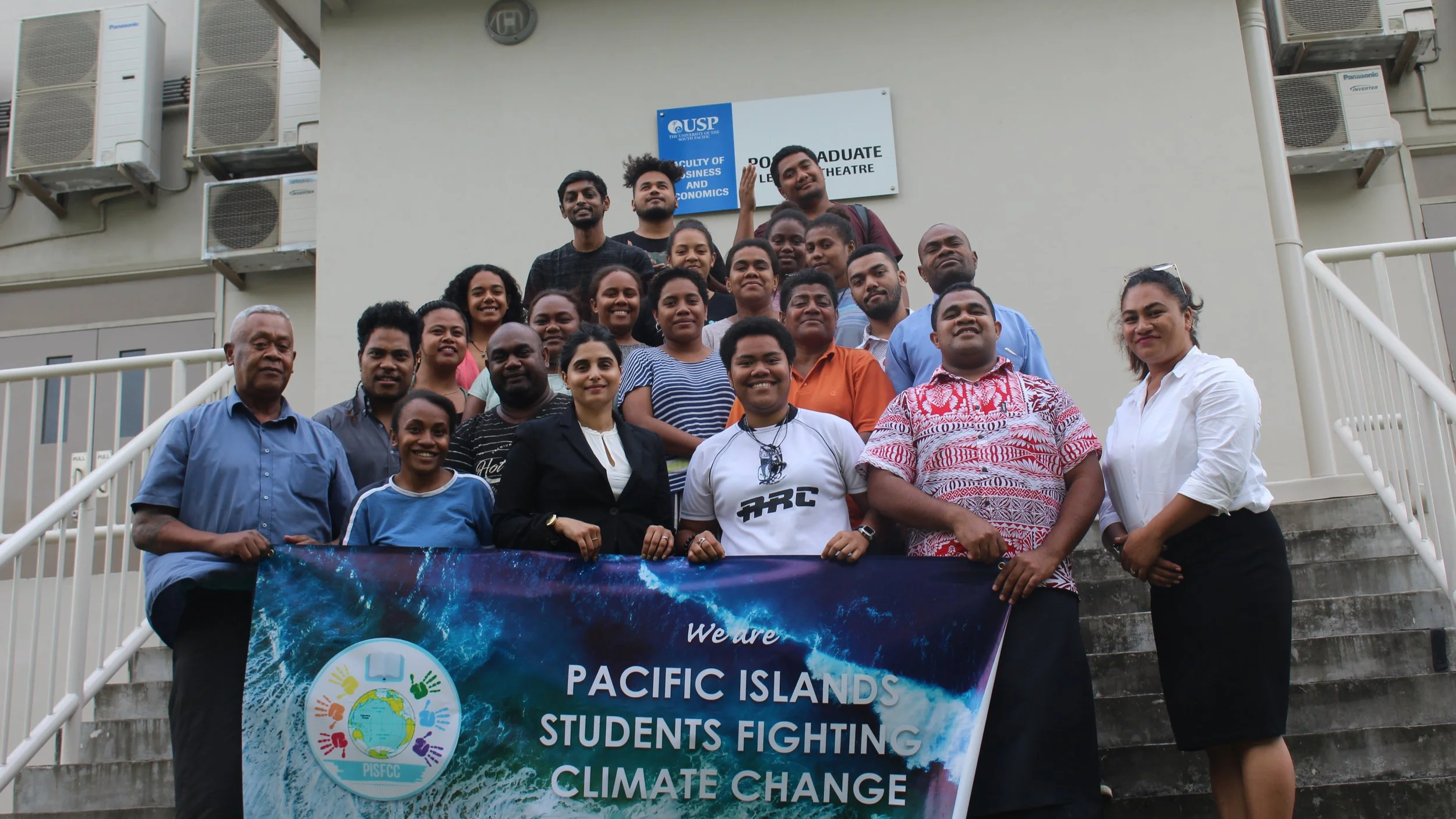
Pacific Islands Students Fighting Climate Change (PISFCC) was born in a Following proceedings and hearings at the ICJ, and the review of written statements and comments, the AO on Climate Change was officially issued in July 2025. The issuing of the AO was a watershed moment in climate justice history and a landmark clarification on the obligations of States, which offers a path forward towards a climate-just future for all.
The ICJ’s ruling confirmed that states have legal obligations to protect the climate system by keeping global temperature rise below 1.5°C in line with the Paris Agreement. State obligations also include fossil fuel production and subsidies – a major expansion of accountability.
The opinion also confirmed that state obligations derive from multiple sources of law: climate law, environmental law, human rights law and customary international law. This creates a robust legal framework with no escape routes.
By placing climate obligations within the law, the ICJ reframed climate action from voluntary charity to legal obligation. This matters for accountability because it establishes that states cannot simply opt out and violations have legal consequences.
The Court said that state obligations carry legal consequences, meaning breaches are not merely political failures but potential grounds for reparations and compensation claims.
Now, as we look to build on the Court’s findings and take the next step towards climate justice, the UNGA Resolution on the ICJ AO is set to be voted on 20 May, 2026.
Following proceedings and hearings at the ICJ, and the review of written statements and comments, the AO on Climate Change was officially issued in July 2025. The issuing of the AO was a watershed moment in climate justice history and a landmark clarification on the obligations of States, which offers a path forward towards a climate-just future for all.
The ICJ’s ruling confirmed that states have legal obligations to protect the climate system by keeping global temperature rise below 1.5°C in line with the Paris Agreement. State obligations also include fossil fuel production and subsidies – a major expansion of accountability.
The opinion also confirmed that state obligations derive from multiple sources of law: climate law, environmental law, human rights law and customary international law. This creates a robust legal framework with no escape routes.
By placing climate obligations within the law, the ICJ reframed climate action from voluntary charity to legal obligation. This matters for accountability because it establishes that states cannot simply opt out and violations have legal consequences.
The Court said that state obligations carry legal consequences, meaning breaches are not merely political failures but potential grounds for reparations and compensation claims.
Now, as we look to build on the Court’s findings and take the next step towards climate justice, the UNGA Resolution on the ICJ AO is set to be voted on on 20 May, 2026.
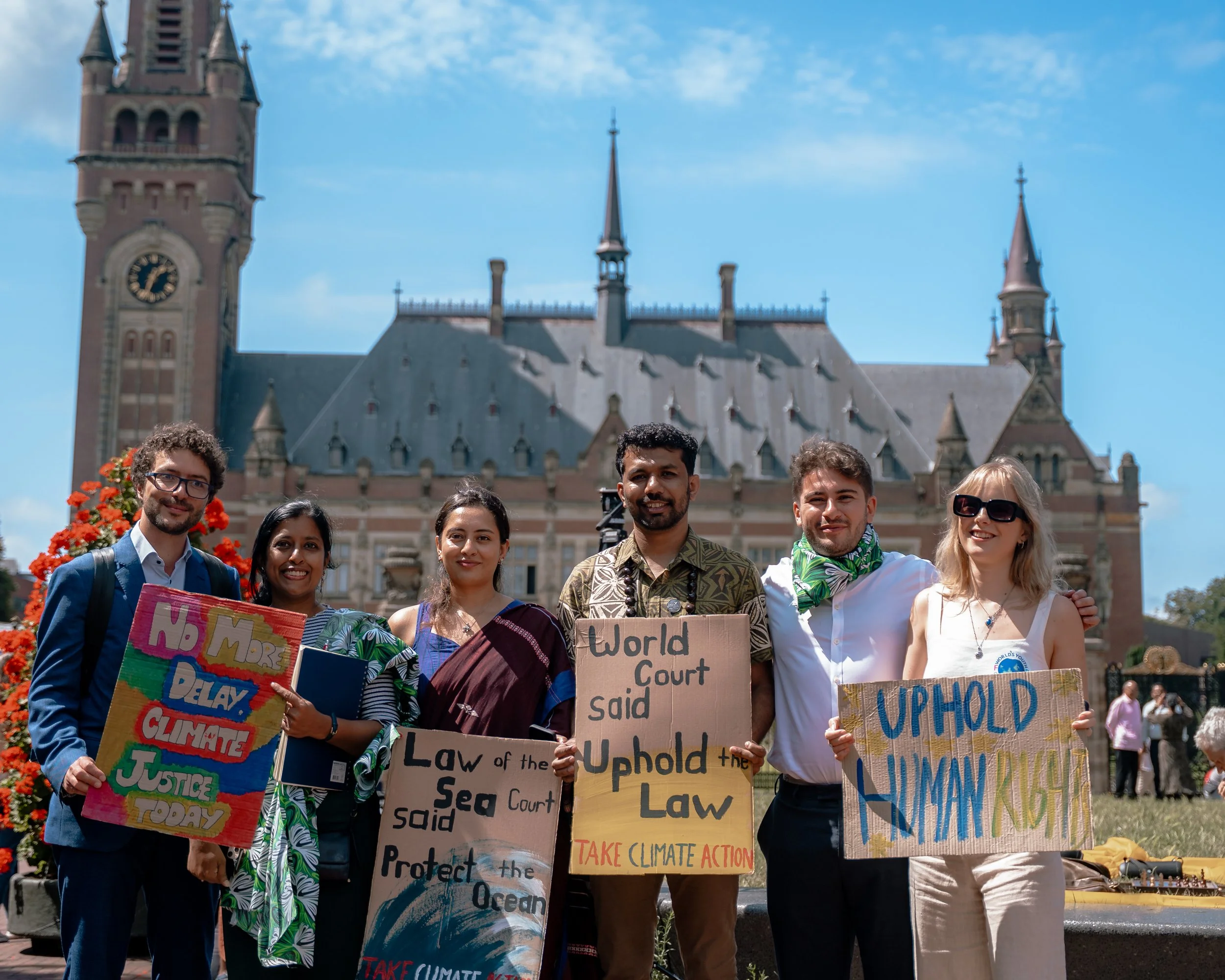
AT THE INTERNATIONAL
COURT OF JUSTICE
UNGA RESOLUTION OPERATIONALISING THE
ICJAO ON CLIMATE CHANGE
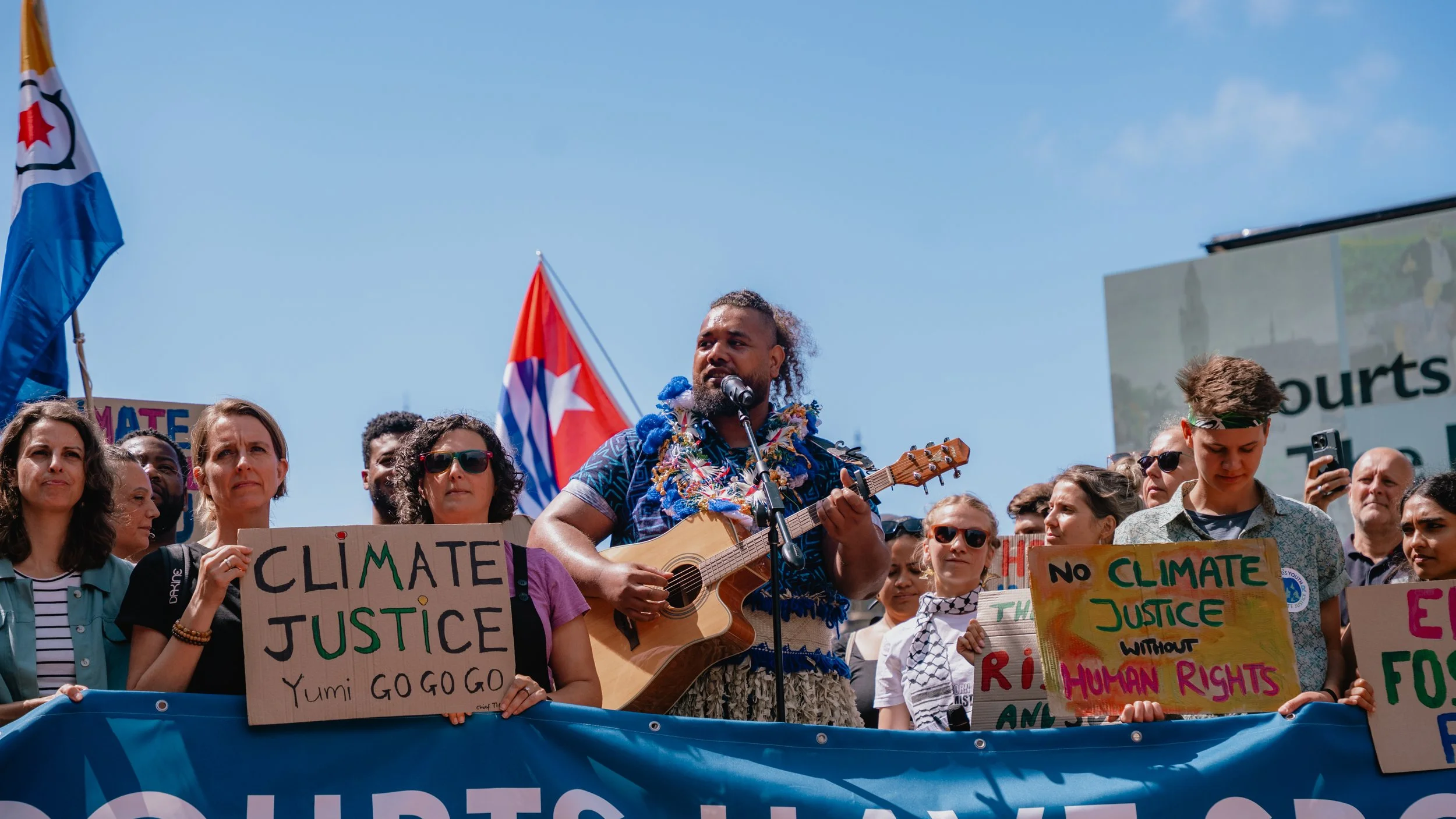
The UNGA Resolution on the ICJAO welcomes the findings of the ICJ and looks to operationalise the Advisory Opinion, seeking to build greater climate accountability in an era of severe climate harm whilst simultaneously enhancing multilateralism and international cooperation in addressing the climate crisis.
Member States, Civil Society Organisations, and people from all over the world and all walks of life are taking action through social media storms, petitions, briefings, and more to urge more countries to #VoteYesforClimateAccountability at the UNGA.