

Climate Accountability Resolution
Adopted at the UNGA
Adopted with an overwhelming majority of 141 states
In a major shift for climate justice, the UNGA has adopted a Resolution welcoming and operationalising the ICJ’s historic advisory opinion. This Resolution is a significant boost for climate accountability and for states to recognise and meet their legal obligations under international law.
With this resolution, all states have accepted that they have a legal obligation to prevent significant harm to the climate and that failure to do so carries legal consequences. Governments must now do what the law requires: speed up a just and equitable transition away from fossil fuels, and protect those most affected by the climate crisis.
Our Story
After 6 years of campaigning, the International Court of Justice delivered the Climate Advisory Opinion on 23 July 2025
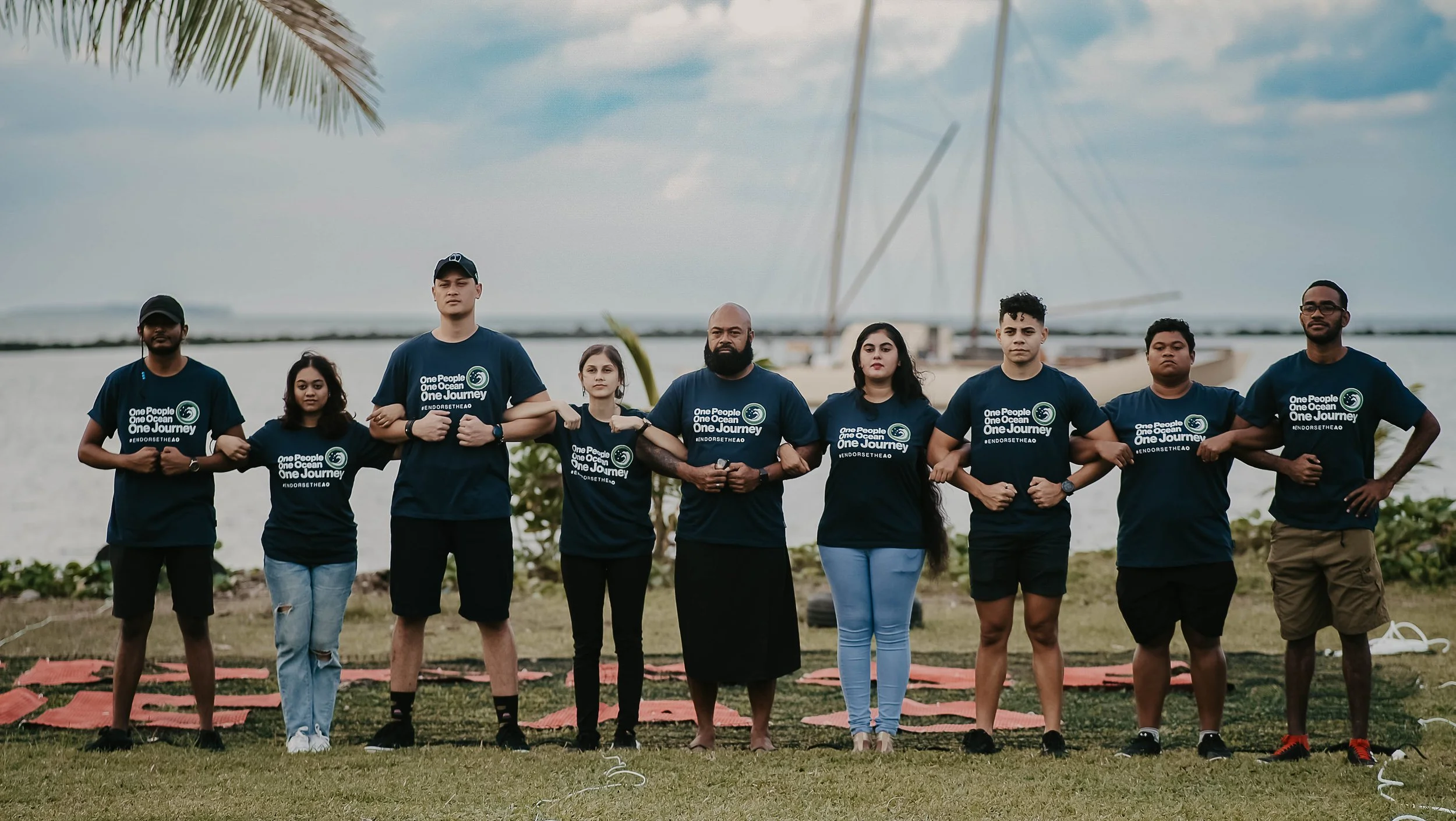
It all began with 27 law students in the Pacific, who turned heartbreak into action. From a small classroom, we launched the #ClimateICJAO campaign, transforming our frustrations into purpose and a dream for justice into a global movement of solidarity.
We are demanding #ClimateJusticeAtTheICJ because for too long, those most responsible for the climate crisis have ignored their obligations, while our homes, cultures, identity - entire futures disappear.
We fight for our children, our homes, and for generations yet to come.
This Advisory Opinion shifts the course of climate justice by using existing international law to hold polluters accountable, and refine their legal duties to:
protect people and the planet, always.
Landmark Ruling from the ICJ
The Verdict
The world’s highest court has confirmed that every state must prevent climate harm, cooperate internationally, and protect human rights—creating powerful leverage for policy, negotiations, and litigation.
In plain terms: governments can now be held to account for inadequate targets, fossil fuel expansion, and failure to regulate private actors. This is the legal backbone movements and frontline communities have needed to turn promises into enforceable action.
Key findings (in brief):
Binding duties under international law. All states must protect the climate system, prevent significant transboundary harm, and cooperate—grounded in treaties and customary law, not just politics.
Real due-diligence action, including over private actors. States must use all appropriate means and regulate companies; mere pledges aren’t enough.
Equity and leadership. Wealthier countries have heightened responsibilities to lead and to assist vulnerable states and communities.
Rapid shift away from fossil fuels and alignment with temperature goals. The Opinion anchors ambition and undercuts approvals and subsidies that prolong fossil reliance.
Accountability and remedies. Failure to act may be an internationally wrongful act, opening the door to responsibility and redress.
In Court
Statement to the ICJ
Cynthia’s
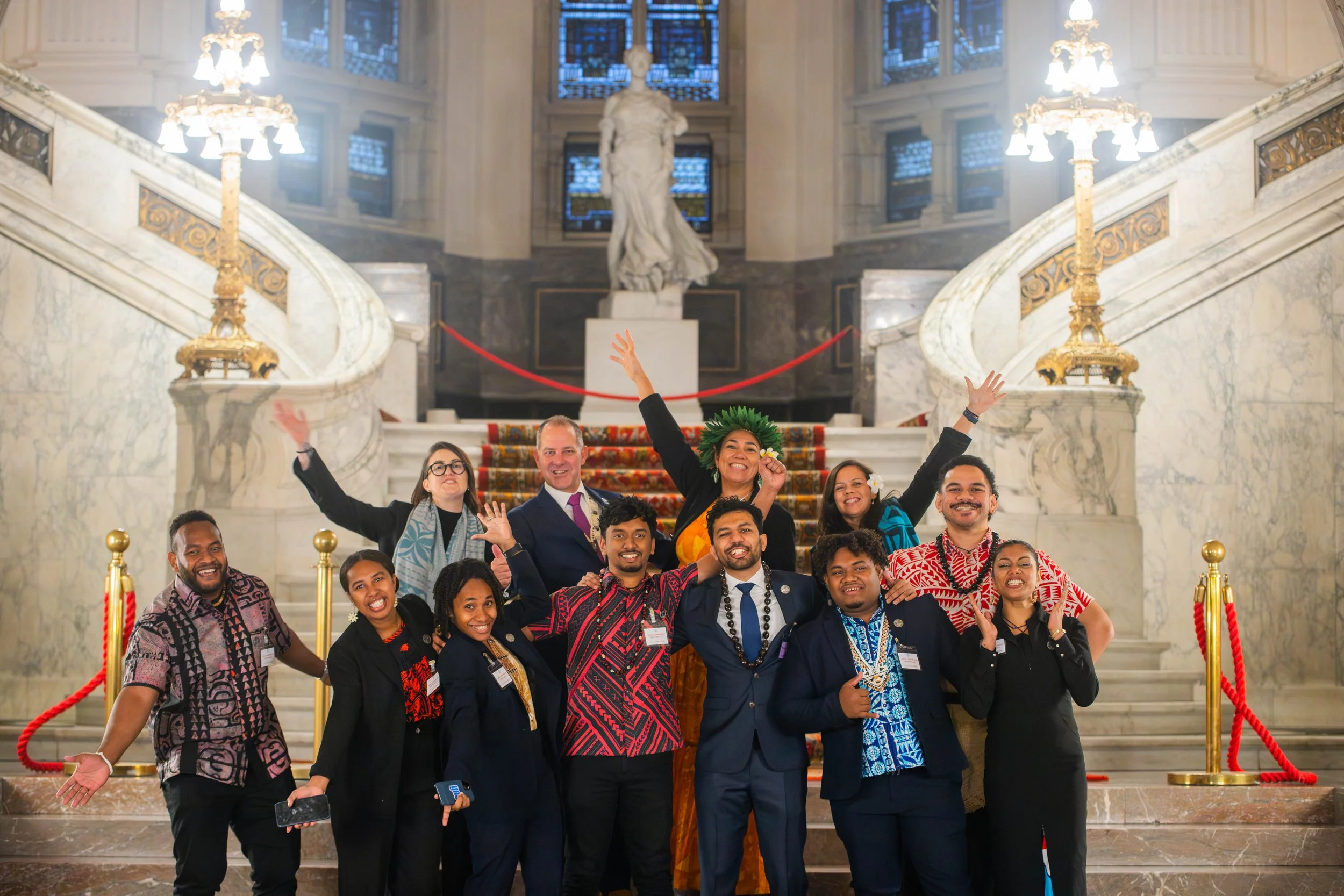
On 02 December 2024, Cynthia Houniuhi (President of PISFCC and founding member) delivered a powerful statement to the ICJ calling for climate justice and the recognition of the principle of intergenerational equity. She highlighted the crucial role played by young people from all over the world and highlighted the urgent need to reign in the climate crisis and hold polluters accountable.

Photo Credit : SPC/Ray Campbell
Watch the full statement
In Court
Statement to the ICJ
Vishal’s
On 13 December 2024, Vishal Prasad, (Director PISFCC), delivered a compelling statement to the ICJ, urging for climate justice and the acknowledgment of the voices of those directly witnessing the impacts of climate change. The People's Petition was also submitted to the ICJ judges. He also spoke about the important role youth played in decision making, and the need to prioritise the well-being of future generations. He called for urgent action to halt greenhouse gas emissions and hold polluters accountable, asserting that true climate justice can only be achieved by safeguarding the rights and futures of those most vulnerable to the climate crisis.

Photo Credit : SPC/Ray CampbellWatch the full statement


The Witness Stand for
Climate Justice
The Witness Stand began in the Pacific, gathering voices and messages from around the world to ensure that the ongoing International Court of Justice advisory opinion proceedings on climate change are inclusive and representative of those most affected.
The Witness Stand invites people from all walks of life to share what they would say to the World’s Highest Court as it considers climate change for the first time.
Messages come from those experiencing the impacts of climate change firsthand, as well as from allies standing in solidarity. Each #ClimateWitness shares their hopes, dreams, fears, and frustrations about the crisis, amplifying the urgent call for climate justice.
The Latest
Campaign Updates



In the news
The Latest


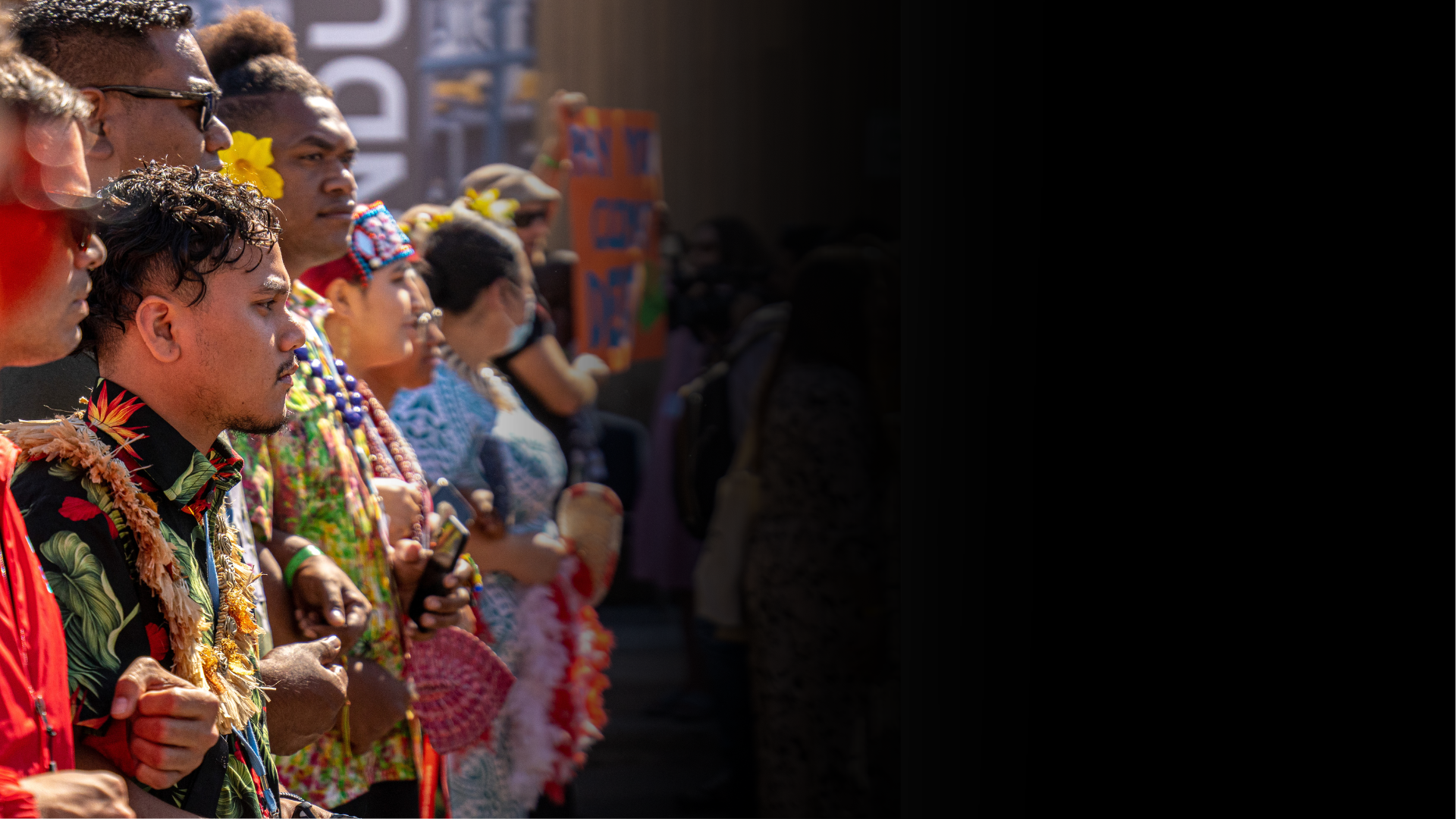
‘This is for the world’s most vulnerable, for all of humanity, and our collective future. This is about what we must save, not what has been lost. This is a campaign to build ambition, not division. This is a campaign to uplift the goals of the Paris Agreement. This is the young generations’ call for justice to the world’s highest court’.
— Bob Loughman
Former Prime Minister, Republic of Vanuatu